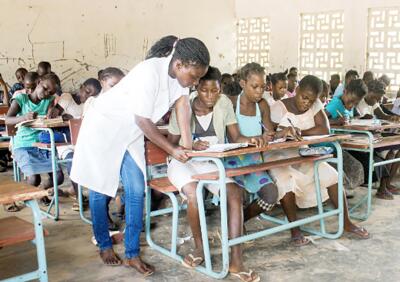
International Day of The Giri Child

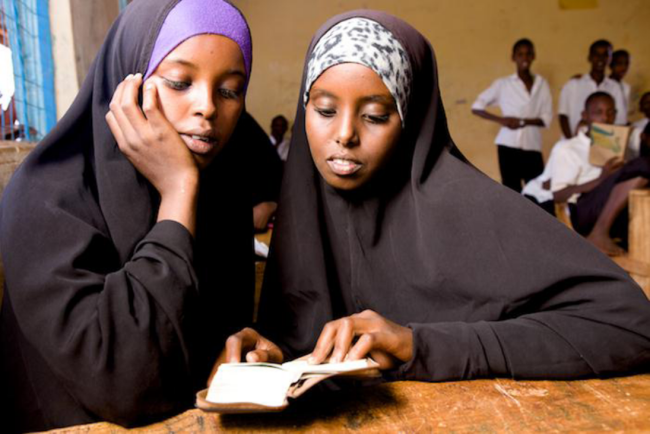
In a global effort to ensure a world free of discrimination against young women, International Day of the Girl Child is celebrated October 11 each year. The United Nations (UN) General Assembly adopted Resolution 66/170 in 2011, designating the day to draw attention to the unique challenges and difficulties girls face around the world.
The theme for this year's International Day of the Girl Child is "With Her: A Skilled GirlForce." This theme marks the beginning of a yearlong effort to "bring together partners and stakeholders to advocate for, and draw attention and investments to, the most pressing needs and opportunities for girls to attain skills for employability."
In order to achieve the Sustainable Development Goals, specifically SDG 5, which focuses on gender equality, it's essential to support and invest in young girls by providing them with skills to expand beyond basic education.
As a recent World Bank report highlights, when girls are faced with obstacles involving education, it weakens solidarity in communities and reduces women's participation in society. A lack of education restricts a woman's voice and role in the household, at work, and in institutions. This disempowers women and girls in ways that dispossess them of their basic rights.
Differences in First and Second Decade of Life
Over the last 15 years, the global community has made progress in improving the lives of girls during early childhood. According to the UN, girls age 10 and younger are now more likely to enroll in primary school and receive vaccinations and are less likely to suffer from health and nutrition problems than in any other previous generation.
However, there are still considerable challenges faced by girls and young women in the second decade of life. Many still do not have access to quality secondary and higher education, are forced into child marriage, have little to no information and services related to health, are denied the means to protect themselves against unwanted pregnancy, and are frequently victims of gender-based violence.
As a recent World Bank report highlights, when girls are faced with obstacles involving education, it weakens solidarity in communities and reduces women's participation in society. A lack of education restricts a woman's voice and role in the household, at work, and in institutions. This disempowers women and girls in ways that dispossess them of their basic rights.
- Globally, nine in ten girls complete their primary education, but only three in four complete lower secondary education.
- The estimated loss of human capital due to lack of access to secondary education ranges from $15 trillion to $30 trillion globally.